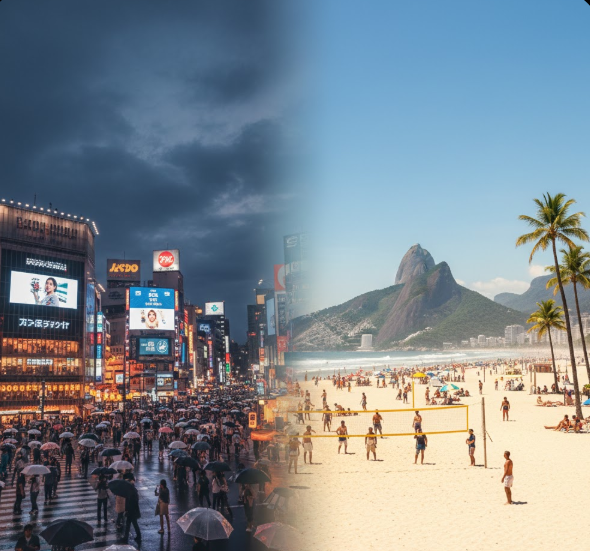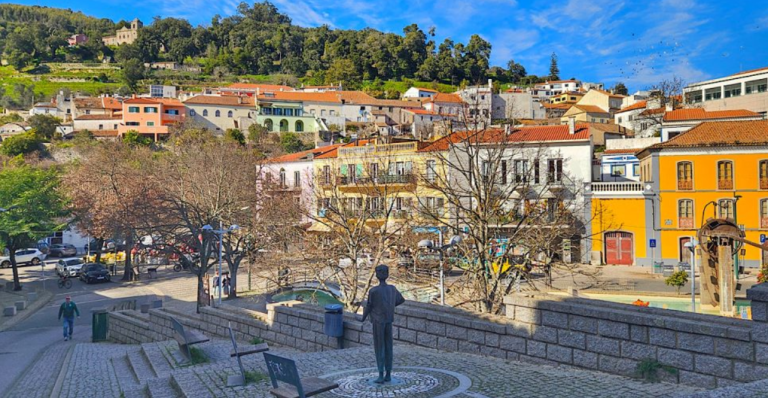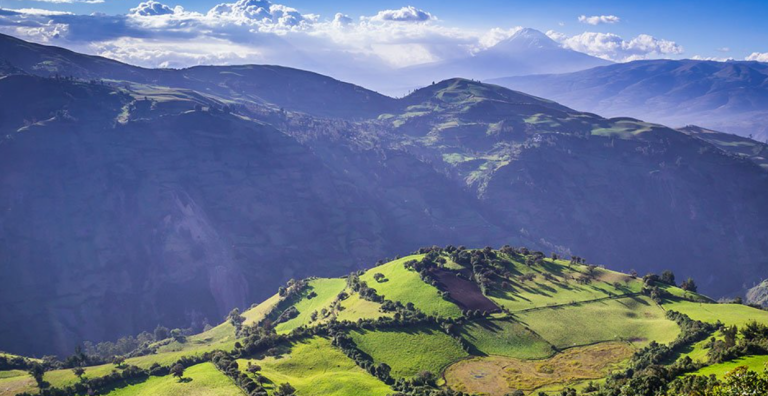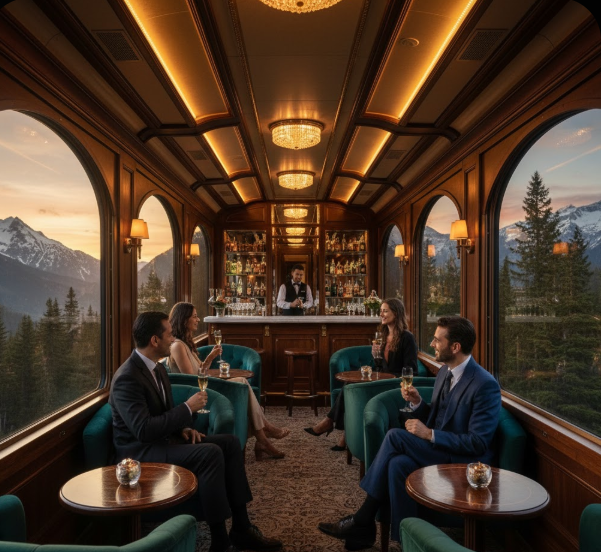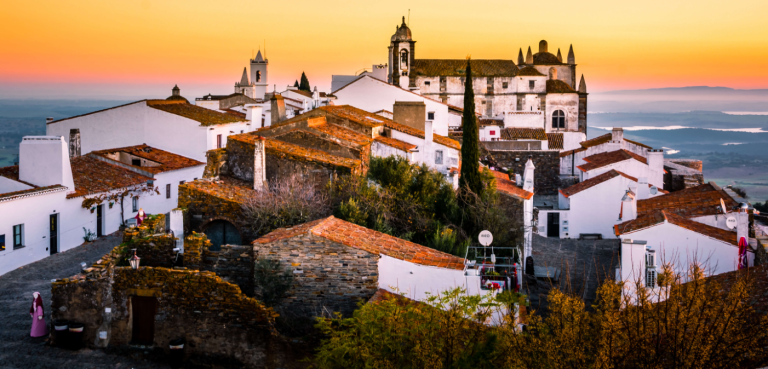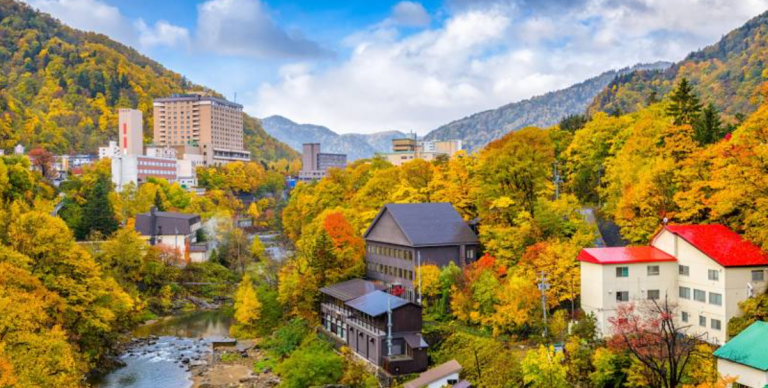

The frantic pace of the early 2020s—a decade that began with isolation and exploded into “revenge travel”—has finally given way to a more intentional movement: The Quietcation. For the solo traveler in 2026, the ultimate luxury has been redefined. We no longer boast about 5-star hotels with lightning-fast Wi-Fi or “Instagrammable” infinity pools. Instead, the highest form of status is the ability to disappear. The new “gold standard” is a remote cabin in the Scottish Highlands or a boutique Ryokan in rural Japan, where the only “ping” you hear isn’t a notification, but the gentle chime of a wind bell or the crackle of a wood-burning stove.
The Psychology of Solo Silence: Why Now?
In 2026, our brains are more stimulated than ever. With the integration of AI into every facet of our lives and the blurring of lines between work and home, the “Me-Time” we once knew has vanished.
Going solo is the only way to truly reclaim it. When you travel with others, you are tethered to their schedule, their energy, and their digital habits. By traveling alone on a Quietcation, you enter a state of “Social Fasting.” Without a companion to entertain or a social feed to update, your nervous system finally exits “fight or flight” mode and enters a state of deep, restorative presence.
The Return to Analog Living
What does an “Analog Solo Trip” actually look like in 2026? It’s a deliberate embrace of the physical world:
- The Paper Trail: We are seeing a massive resurgence in physical books, paper maps, and leather-bound journals. Solo travelers are rediscovering the tactile joy of scratching a pen across a page rather than tapping on a glass screen.
- Sensory Souvenirs: Instead of taking 500 photos, travelers are practicing “Slow Observation”—sitting in a town square for two hours just to sketch or record the ambient sounds of a local market.
- Deep Mindfulness: Free from the “group-think” of travel companions, you can eat when you’re hungry, walk when you’re restless, and sit in silence when you’re tired. It is the ultimate exercise in self-reliance.
Top 2026 Spot: Inverness & The Highlands, Scotland
While Edinburgh and Skye remain beautiful, they have become victim to their own fame. In 2026, savvy solo travelers are moving north to Inverness.
Inverness offers the perfect “Quietcation” infrastructure: it is one of the safest cities in Europe for solo explorers and serves as the gateway to the true silence of the Highlands. Here, you can hike the Great Glen Way or explore the quiet eastern shores of Loch Ness—far from the tour buses—without the pressure of a ticking clock. The local “Bothy” culture (small, remote huts) has been modernized to offer minimalist, eco-friendly comfort for those seeking total seclusion.
The 2026 Tech Twist: Using AI to Disconnect
It sounds like a paradox, but in 2026, high-end technology is what allows us to stay low-tech. We now use AI Travel Sidekicks not to keep us online, but to keep us safe while we are offline.
- Silent Zone Mapping: Solo travelers are using AI to filter accommodations specifically for “Digital Dead Zones” or hotels with “Signal Jamming” libraries.
- Safety Without Screens: Wearable AI devices allow you to navigate or call for help via voice command, meaning your phone can stay at the bottom of your bag, powered off.
- Restorative Curation: AI can now analyze your stress levels via your smartwatch and suggest the quietest time to visit a local landmark or find a “Sound Bath” retreat nearby.
This extended version focuses on the shifting values of 2026: moving away from “cliché” romance toward self-celebration, and from “overtourism” toward meaningful, secondary destinations.
About the Author