
In 2026, “Budget” and “Fast” are no longer friends. The days of the $20 cross-European flight are behind us, as new EU Carbon Taxes and full auctioning of aviation allowances have caused regional flight prices to spike by nearly 30% this year. But this isn’t bad news for the savvy traveler. It has birthed the Slow Travel Movement—the ultimate secret weapon for the budget-conscious explorer who values the journey as much as the destination.
Sleeper Trains: The New “Hostels on Wheels”
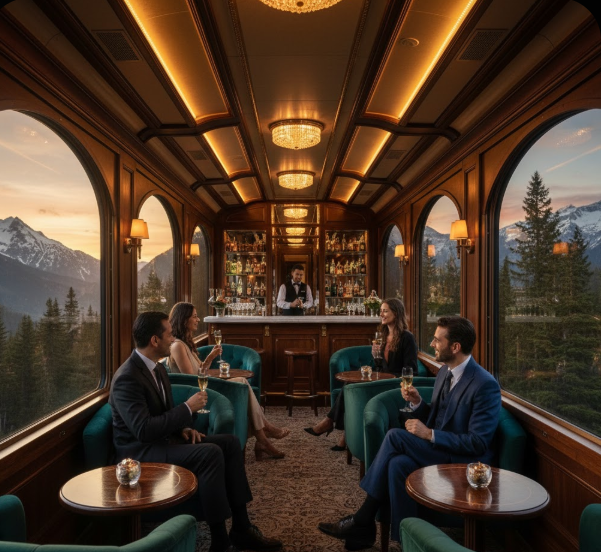
The most significant shift in 2026 is the spectacular return of the night train. With the expansion of operators like European Sleeper, your transport ticket now doubles as your accommodation receipt, effectively cutting your daily budget in half.
- The 2026 Routes: From March 2026, the new Paris-Brussels-Berlin route has become the backbone of Northern Europe. Even more exciting is the June 2026 launch of the Amsterdam-Milan night train via Switzerland, allowing you to cross the Alps while you sleep.
- Budget Pods: Forget the cramped six-person couchettes of the past. 2026 sleeper trains now feature “Budget Pods”—minimalist, sound-proofed private sleeping spaces inspired by Japanese capsule hotels. They offer charging ports, high-speed Wi-Fi, and a lockable door for less than the price of a boutique hostel bed.
- The “Zero-Waste” Bonus: Traveling by rail in 2026 often comes with “Green Incentives.” Cities like Copenhagen now offer CopenPay, where arriving by train unlocks free museum entries and bike rentals, further stretching your travel dollar.
The Bus Revival: “Smart Coaches” & Mobile Offices
Think buses are just for students? Think again. In 2026, Smart Coaches have transformed road travel into a premium experience at a fraction of the cost of rail or air.
- Digital Nomad Infrastructure: Companies like FlixBus and Aeroline have upgraded their 2026 fleets with Starlink satellite Wi-Fi and ergonomic “Office Seats” with privacy screens. For the budget traveler, this makes the commute “profitable” time—you can work a full shift while moving from Singapore to Kuala Lumpur or London to Paris.
- Sustainable Fleets: More than 35% of major coach lines now operate on hydrogen or electric power. In 2026, choosing the bus isn’t just a budget choice; it’s a moral one that avoids the heavy “Environmental Levies” applied to traditional car rentals.
Micro-Regionalism: Depth over Distance
The most effective budget strategy in 2026 is Micro-Regionalism. Instead of trying to “tick off” five countries in two weeks, travelers are picking one specific region and staying put.
- The Strategy: By focusing on a region like the Caucasus (Georgia & Armenia) or Southeast Asia’s Mekong Belt, you eliminate expensive long-haul transfers. Local transport (like the Marshrutkas in Georgia or the Electric Tuk-Tuks in Thailand) costs pennies compared to cross-border flights.
- Slow Discounts: In 2026, platforms like Airbnb and local guesthouses offer “Slow Stays” discounts—often 30% to 50% off if you book for more than 7 days. This allows you to “live like a local,” shop at neighborhood markets, and avoid the “tourist tax” of eating out for every meal.
- The “Friendshoring” Effect: As regional infrastructure partnerships grow, 2026 has seen the launch of Regional Rail Passes (like the new ASEAN cross-border rail initiatives) that make moving between neighboring countries cheaper and more seamless than ever before.
2026 Pro-Tip: The “Open Return” Hack
If your plans are flexible, master the Open Return and Dynamic Rail tickets. In countries like the UK and Germany, buying a “Flex-Pass” in 2026 allows you to hop on any train within a 30-day window. If your AI travel agent detects a low-occupancy train on a Tuesday morning, it will alert you to travel then for a “Peak-Avoidance” rebate.
About the Author