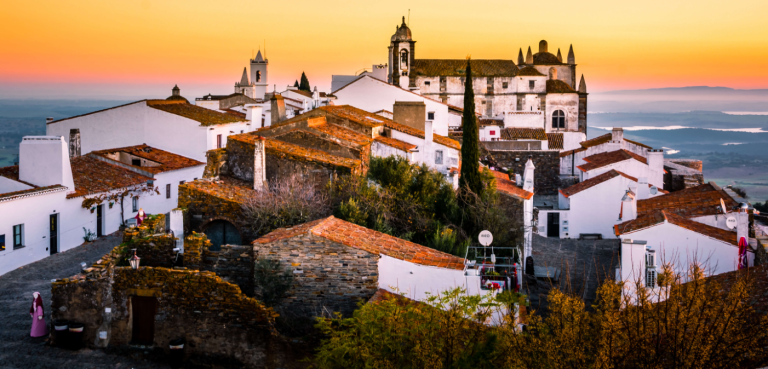

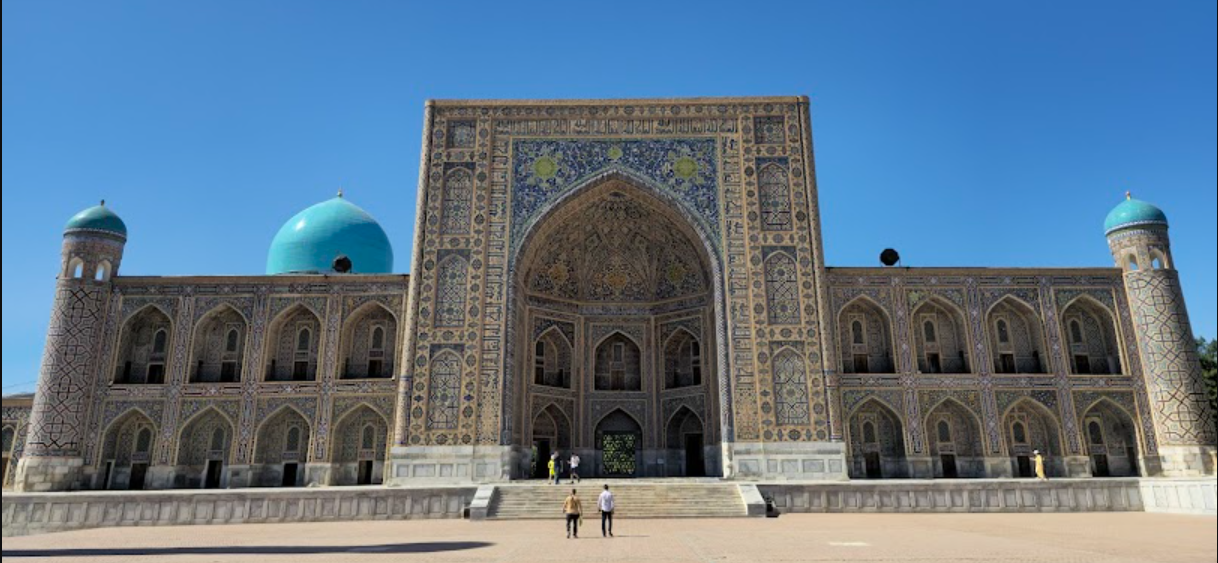
The Hook: Forget the shoulder-to-shoulder crowds of Rome or the pre-booked queues of Kyoto. In 2026, true luxury isn’t defined by a five-star pillow menu; it’s the profound privilege of having a millennial city almost entirely to yourself.
Beyond the Turquoise Domes: A New Era of Travel
As we navigate 2026, the global travel sentiment has shifted. The “bucket-list” fever of the early 2020s has given way to The Great Deceleration. Travelers are no longer seeking destinations to see, but places to feel. Uzbekistan has emerged as the sanctuary for the discerning voyager—a place where the Silk Road isn’t just a history lesson, but a living, breathing hospitality that hasn’t been commercialized by mass tourism.
While Samarkand and its majestic Registan Square remain the architectural heartbeat of the country, the narrative of 2026 belongs to the cities that require a bit more soul to uncover.
Khiva: The Living Time Capsule
The true hidden gem of the year is Khiva (Itchan Kala). Unlike other historical sites that feel like manicured theme parks, this walled city-museum is a functioning neighborhood. In 2026, a new wave of “Heritage Boutiques” has opened—ancient madrasas (Islamic schools) meticulously restored into high-end stays.
Waking up inside the clay walls of the fortress as the sun hits the Kalta Minor Minaret provides a sense of stillness that is extinct in Western Europe. Thanks to the 2025 expansion of the Afrosiyob high-speed rail network, you can now traverse the vast Kyzyl Kum desert in hours, yet once you step off the train, you are transported back to the era of camel caravans, spice merchants, and silk weavers.
The 2026 Travel Philosophy: Silence and Space
The luxury of the future is “Silence Travel.” In an overstimulated, hyper-connected world, the absolute quiet of the Uzbek steppes has become the ultimate commodity.
“We spent three days without a cellular signal in the Nurata Mountains, eating bread baked in clay ovens. I realized I hadn’t heard true silence in a decade.” — Snippet from a 2026 travel journal.
What Nobody Tells You: The Kyzyl Kum Experience
If you want to truly go “off the beaten path,” leave the cities behind for the Kyzyl Kum Desert.
- The Yurt Modernism: In 2026, eco-yurt camps have evolved. You can now experience traditional nomadic life with sustainable comforts—solar-powered lighting and organic local cuisine—without losing the raw connection to the earth.
- Stargazing: Uzbekistan’s desert offers some of the lowest light pollution levels on the Eurasian continent. Sleeping in a yurt under a sky so thick with stars it feels heavy is the “five-billion-star hotel” experience that defines 2026.
Why Now?
Uzbekistan is in a “Goldilocks” zone. The infrastructure (e-visas, high-speed trains, English-speaking guides) is better than ever, but the “Instagram-hordes” haven’t fully diverted their gaze from the Mediterranean.Pro Tip: Visit the Savitsky Museum in Nukus. Known as the “Louvre of the Steppe,” it houses a forbidden collection of Soviet avant-garde art that was hidden from the KGB for decades. It is perhaps the most remote world-class art gallery on Earth
About the Author