
The Hook: Is the train the new private jet? In 2026, luxury is no longer defined by how fast you arrive, but by how deeply you experience the journey. “Slow Travel” by rail has solidified itself as the ethical, sophisticated, and undeniably glamorous alternative to the chaotic short-haul flights of the past decade.
The New Golden Age of Steam (Without the Steam)
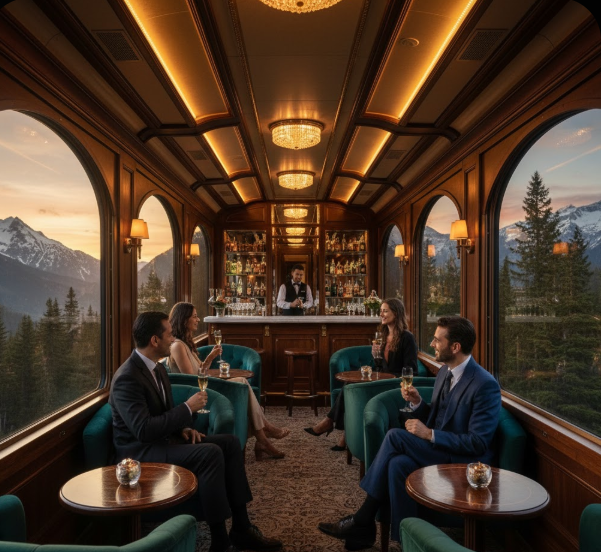
Following the stringent EU climate mandates of 2025, the travel landscape of 2026 has witnessed a spectacular explosion of new night rail routes connecting major capitals with seamless precision. We have moved far beyond the cramped bunk beds of the 20th century. Today’s sleeper trains are literal hotels on wheels, featuring biophilic interior design, AI-optimized cabin climates, and floor-to-ceiling panoramic windows that turn the continent into a moving art gallery.
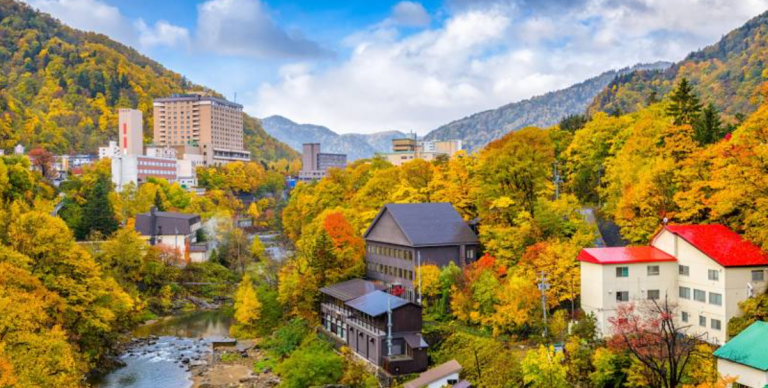
From the mist-covered Scottish Highlands to the jagged peaks of the Swiss Alps, the preferred mode of transport for Gen Z and Millennials is now the green-hydrogen-powered locomotive. These travelers value “recovered time”—trading three hours of airport security stress for twelve hours of productive, serene, or social movement.
Purpose-Driven Traversal
In 2026, the “impulse flight” is considered a relic of a less conscious era. Instead, we have entered the age of the purposeful crossing. Travelers are opting for routes like the Trans-European Express 2.0, where dinner is a farm-to-table experience featuring ingredients sourced from the very regions the train is currently whistling through.
“There is a profound psychological shift when you cross a border while sipping a local vintage and watching the topography change. You aren’t just moving across space; you are participating in it.” — Travel Analyst, 2026 Global Tourism Summit.
The 2026 Trend: Circular Rail Passes
The most significant innovation in 2026 travel isn’t just the tech, but the Circular Rail Pass. These smart tickets are designed to combat “Overtourism” by incentivizing stops in rural villages and secondary cities.
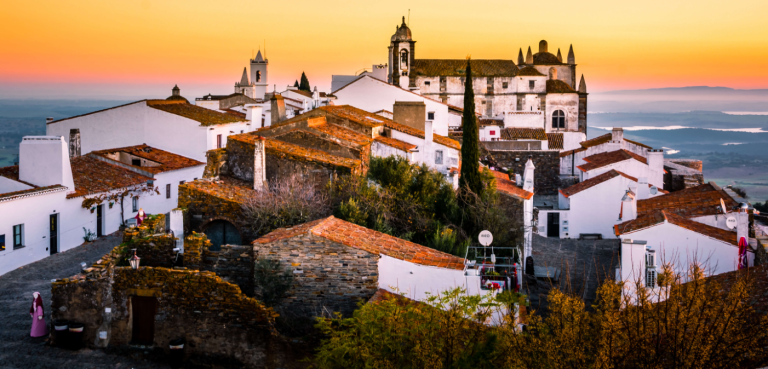
The pass’s algorithm offers discounts if you choose to spend 24 hours in a small village in the French Massif Central or a mountain hamlet in Slovenia rather than heading straight to Paris or Ljubljana. This “Economic Distributive Travel” ensures that tourist wealth flows into the hands of local artisans and family-run guesthouses, rather than just saturating global hubs.
By the Numbers: The 2026 Shift
- The 800km Threshold: For the first time in history, long-distance rail travel has grown by 40% in a single year, officially surpassing regional flight bookings for journeys under 800 km.
- Hydrogen Dominance: Over 30% of non-electrified scenic routes in Europe and Japan have been converted to green hydrogen power, eliminating the carbon footprint of deep-wilderness exploration.
- Digital Nomads on Rails: High-speed, low-latency satellite internet (like Starlink Gen 3) is now standard on all major lines, turning trains into the world’s most scenic co-working spaces.
What’s Next?
As we look toward the latter half of the decade, the “Rail-to-Reef” and “Rail-to-Range” packages are gaining traction—all-inclusive sustainable itineraries that handle everything from your hydrogen train ticket to your carbon-negative lodge at the final destination.
About the Author