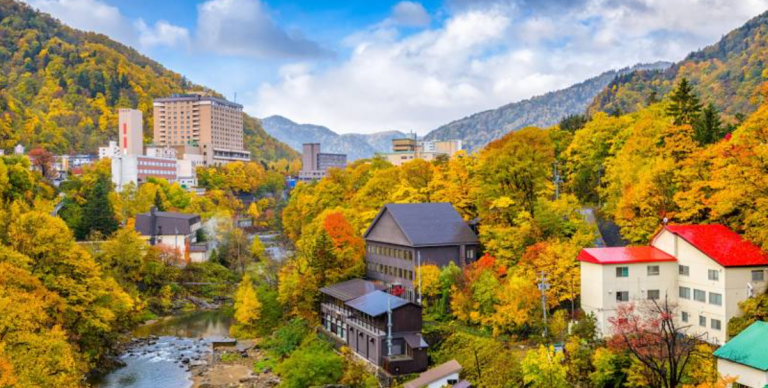


The Hook: For decades, the golden rule of eco-tourism was “take nothing but pictures, leave nothing but footprints.” But as we move through 2026, the conscious traveler finds that goal too passive. In a world recovering from ecological debt, the new ambition is to leave a destination better than you found it. Welcome to the era of Regenerative Travel.
From Sustainability to Healing: A Systemic Shift
By 2026, sustainability has graduated from a marketing buzzword to a core “operating system” for the global travel industry. We’ve moved past the era of hotels simply asking guests to reuse towels; today’s travelers demand experiences that actively heal the ecosystems they visit.
Regenerative travel is the dominant trend of the year, led by visionary nations like Costa Rica and Bhutan. In these countries, tourism isn’t just an economic driver—it’s a conservation tool. Your nightly “Eco-Levy” doesn’t just go into a general fund; it directly finances the reforestation of biological corridors or the reintroduction of endangered species like the Great Green Macaw.
The 2026 Eco-Stay: Beyond Net Zero
The standout accommodations of 2026 are no longer just “carbon neutral”—they are carbon negative. Using cutting-edge Direct Air Capture (DAC) systems integrated into the architecture and running on 100% local green hydrogen or tidal energy, these resorts actually scrub CO2 from the atmosphere while you sleep.
Furthermore, the traveler of 2026 is no longer a spectator; they are a Citizen Scientist.
- In Palau: Divers spend their mornings using AI-powered underwater cameras to help local marine biologists monitor coral bleaching and heat-resistant reef growth.
- In Portugal: Travelers spend weekends in the Alentejo region practicing Syntropic Agriculture, learning how to create self-sustaining food forests that restore degraded soil.
The 2026 Key: The “Positive Impact Balance”
The most downloaded travel tool of 2026 is the IA-Impact App. This isn’t just a carbon calculator. It uses real-time data to measure your “Positive Impact Balance.”
If your flight to the Azores emitted $X$ amount of carbon, the app doesn’t just suggest a donation; it maps out a personalized itinerary of regenerative activities—such as invasive species removal or kelp forest planting—that ensures your trip results in a net gain for the planet’s health.
Destination Spotlight: Peninsula Papagayo, Costa Rica
Peninsula Papagayo has become the global gold standard for 2026. It is a pioneer in “Sanctuary Resorts,” where the luxury experience is inextricably linked to the dry tropical forest restoration. Guests here don’t just stay in villas; they participate in “Bio-Blitzes” to catalog biodiversity, contributing to a global database that helps scientists understand climate resilience.
The Philosophy of the 2026 Voyager
Regenerative travel is ultimately about reciprocity. It acknowledges that travel is a privilege that consumes resources, and therefore, the traveler has a duty to replenish. In 2026, the most prestigious souvenir isn’t a physical object—it’s the knowledge that a specific acre of forest or a section of reef exists because you chose to visit it.
About the Author