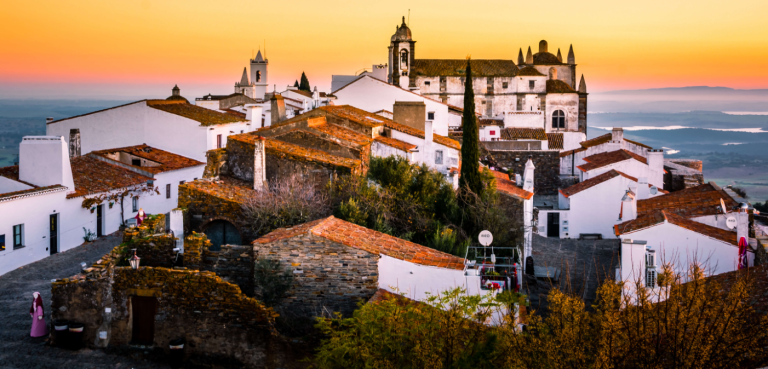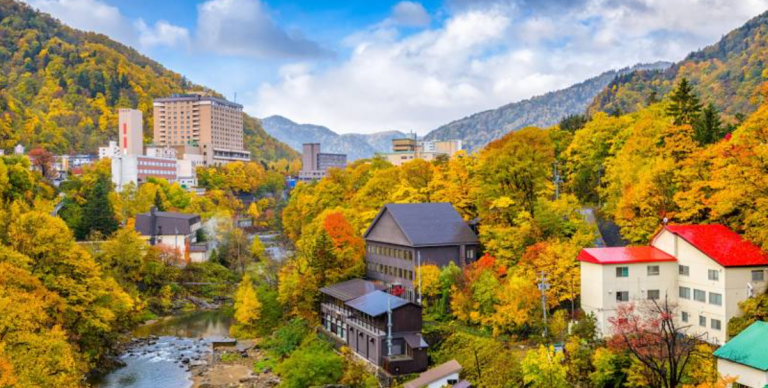

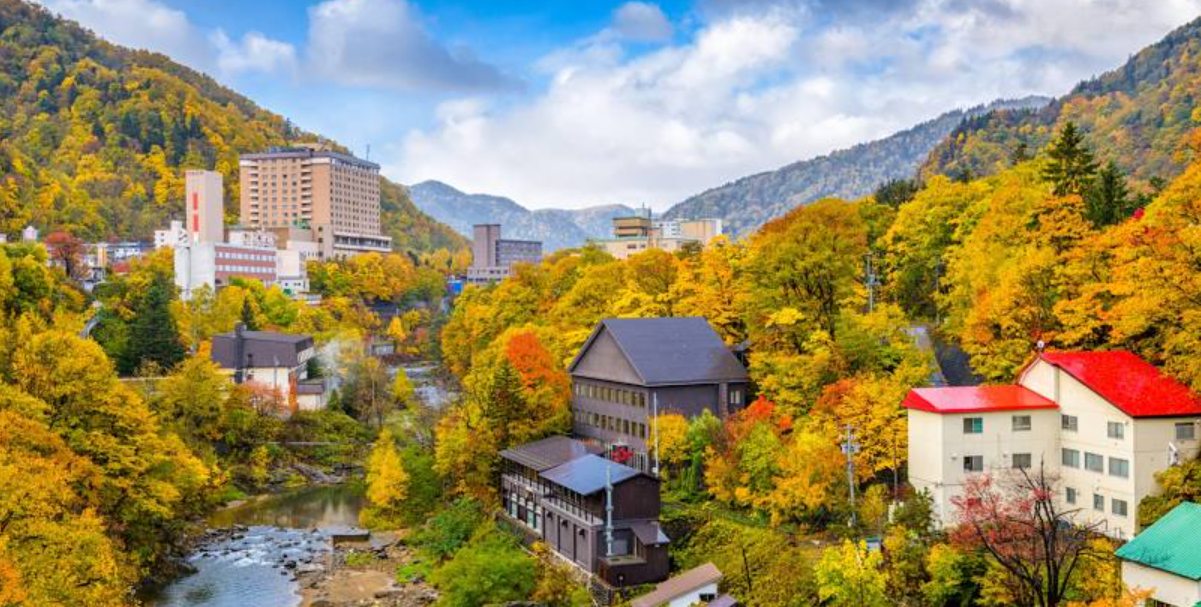
The Hook: While Tokyo and Kyoto implement strict “tourist taxes” and entry caps to manage the overwhelming crowds of 2026, Japan’s northern frontier offers a raw, untamed freedom that few dare to explore. If the “Golden Route” is a curated museum, Hokkaido is the living, breathing wilderness.
The Great Migration North
By 2026, the global travel community has reached a tipping point with “over-tourism.” The savvy traveler has realized that Japan’s true essence isn’t found in a crowded bamboo forest in Arashiyama, but in the vast, volcanic landscapes of the north. Hokkaido in the summer and autumn is a revelation—a land of caldera lakes, primeval forests, and a cool breeze that is a welcome escape from the humid heat of the mainland.
This island isn’t just a geographic shift; it’s a spiritual one. It is the ancestral home of the Ainu people, whose philosophy of Kamuy (the belief that spirits reside in every animal, tree, and river) has become the blueprint for the Indigenous Tourism trend of 2026.
Shiretoko: Where the Earth Ends
The crown jewel of the “Off the Beaten Path” movement is the Shiretoko Peninsula. Its name literally translates from the Ainu language as “the end of the earth,” and it lives up to the title. In 2026, this UNESCO World Heritage site remains one of the few places on the planet where nature dictates the rules.
- The Wild Onsen: Forget the manicured luxury spas of Hakone. In Shiretoko, the Kamuiwakka Falls offer a natural hot spring river where you climb through warm water flowing over volcanic rock.
- The Bear Protocol: Hiking here is an exercise in mindfulness. You carry “bear bells” and travel in small, quiet groups. This isn’t just for safety; it’s a lesson in Shinrin-yoku (forest bathing). When you move through a forest where you aren’t the apex predator, your senses sharpen, and your connection to the environment becomes visceral.
Furano: A Harvest for the Soul
While most tourists flock to the “Farm Tomita” commercial lavender fields for the perfect selfie, the 2026 traveler seeks agritourism.
Heading just a few kilometers past the tourist hubs of Furano leads you to small, family-run estates. Here, the experience is tactile: you can participate in lavender oil distillation workshops or visit artisanal creameries that produce Hokkaido’s world-famous “Black Label” cheeses. These farms offer a “farm-to-table” intimacy that is impossible to find in the vending-machine-laden streets of Osaka.
What Nobody Tells You: The Akan Mashu Mystery
To truly touch the heart of Hokkaido, visit Lake Mashu. It is reputedly the clearest lake in the world, often shrouded in a mystical fog. In 2026, the Upopoy National Ainu Museum and Park has expanded its outreach, offering guided night treks where Ainu elders share oral histories under the stars.
It’s not just a history lesson; it’s an invitation to view the world through a lens of extreme sustainability—a concept the Ainu have practiced for a thousand years and that the rest of the world is only now trying to reclaim.
2026 Trend Watch: The “No-Digital” Zone
Hokkaido has become the global capital for Digital Detox expeditions. Several boutique lodges in the Daisetsuzan National Park now offer “Zero-Signal” stays, where guests trade their smartphones for binoculars and journals. In the 2026 travel landscape, being “unreachable” is the ultimate status symbol.
About the Author